2026 Best Rain Storage Tanks for Global Buyers?
In recent years, the importance of Rain Storage Tanks has gained significant attention. This trend reflects the growing concern for water conservation and sustainability. Experts highlight the crucial role these tanks play in managing water resources. Dr. Amanda Green, a renowned specialist in environmental management, states, “Rain Storage Tanks are essential for creating a sustainable water future.”
These tanks provide an efficient solution for harvesting rainwater for various uses. The ability to store rainwater reduces dependency on conventional water sources. Yet, not all tanks are made equal. Selecting the best system for your needs can be challenging. Factors such as material, size, and location matter. It’s essential to evaluate the options thoroughly.
While Rain Storage Tanks offer many benefits, they also present unique challenges. Maintenance and proper installation are critical. Many users underestimate the importance of these aspects. Educating oneself about this technology can lead to better decisions. In the quest for sustainability, Rain Storage Tanks stand out as a key component.

Overview of Rain Storage Tanks and Their Importance
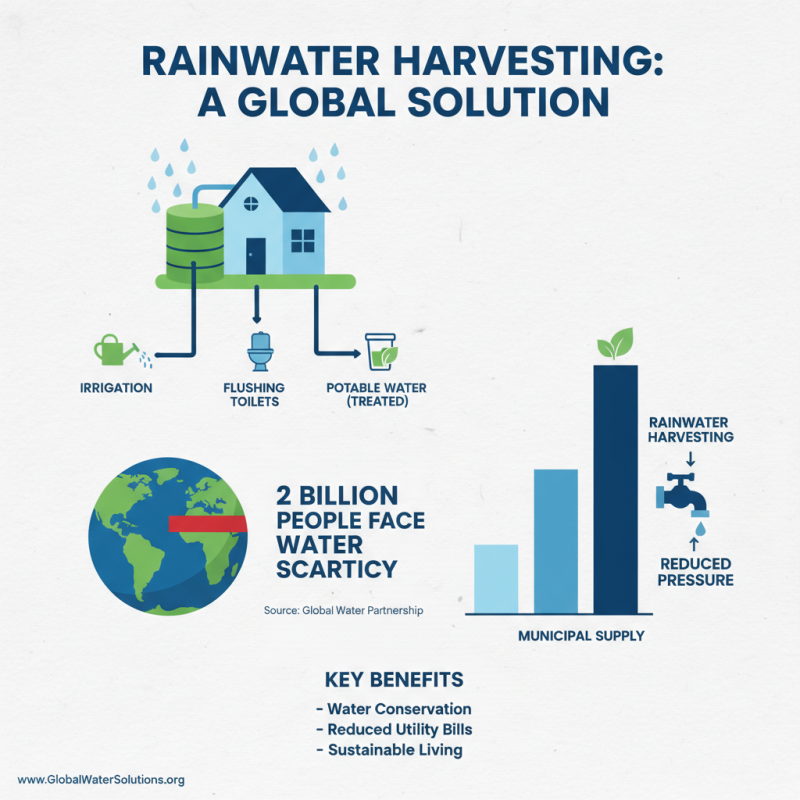
Rain storage tanks are becoming increasingly vital for water conservation. They capture rainwater and store it for various uses, such as irrigation, flushing toilets, and even drinking water—when treated properly. According to the Global Water Partnership, nearly 2 billion people face water scarcity. Effective rainwater harvesting can significantly reduce the pressure on municipal water supplies.
For those considering rain storage systems, size and location are crucial. A properly sized tank can hold enough water to meet your needs during dry seasons. Data from the Rainwater Harvesting Association suggests that a household in a moderate climate could benefit from a tank with a capacity of at least 1,000 gallons. This setup could provide substantial savings on water bills and reduce reliance on groundwater.
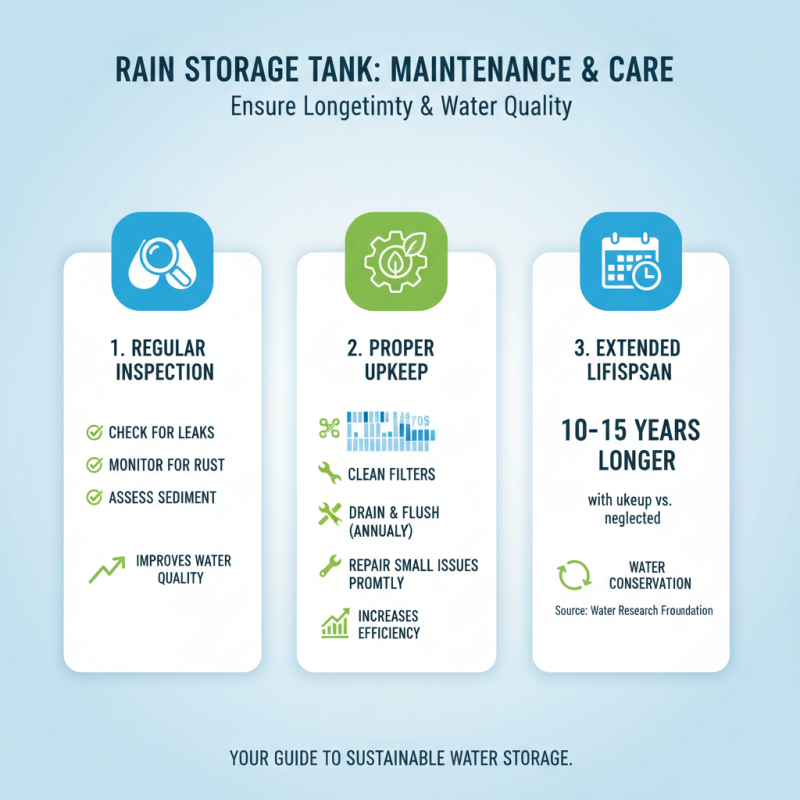
Tips: Assess your local rainfall data to estimate water needs. Ensure your tank meets local building codes and regulations. Regular maintenance checks can prevent issues and maximize efficiency. Reflect on the long-term benefits of sustainable water practices. Embracing this approach could lead to a more responsible and water-efficient future.
Types of Rain Storage Tanks Available Globally
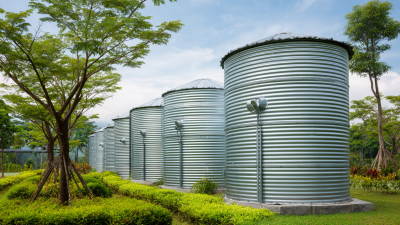
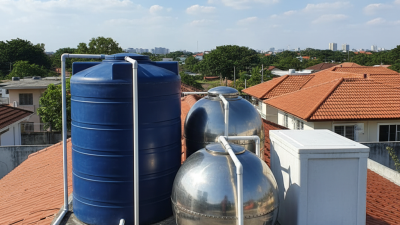
Rain storage tanks come in various types, each designed to meet specific needs. In many regions, people opt for above-ground tanks. These tanks are easy to install and maintain. They come in different sizes, often made from durable plastic or metal. Some are portable, making them perfect for temporary setups. However, they may be susceptible to heat damage and algae growth.
Underground tanks are another popular choice. These tanks save space and protect water from sunlight. They are typically robust and can hold larger volumes. Installation can be complicated and more costly. Finding the right location is essential, as improper placement can lead to drainage issues.
Another option is modular tanks, which are becoming increasingly common. These tanks are customizable and can be expanded as needed. They are often made from eco-friendly materials, appealing to environmentally conscious buyers. The main drawback is that they require more planning upfront. Overall, each type has its pros and cons, making it crucial to consider local conditions and personal needs before making a choice.
Factors to Consider When Choosing a Rain Storage Tank
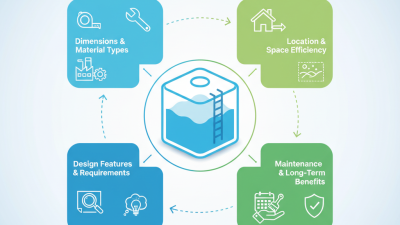
When selecting a rain storage tank, several key factors should be thoroughly evaluated. Capacity is paramount. The average household can harvest about 500 gallons of rainwater from a 1,000-square-foot roof during a one-inch rainfall. Understanding your water needs helps in choosing the right size. A tank that is too small might lead to overflow, while one that is excessively large may occupy unnecessary space.
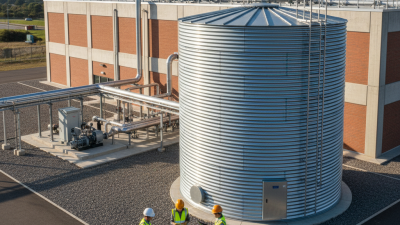
Next, consider the material of the tank. Common options include polyethylene, metal, and concrete. Each material has its pros and cons. Polyethylene is lightweight and resistant to rust, while metal tanks provide durability but may require additional coatings to prevent corrosion. Concrete tanks are sturdy but involve more installation effort. A study from the International Rainwater Harvesting Alliance indicates that the tank material can impact maintenance needs and lifespan significantly.
Location and accessibility are also important. Tanks should be positioned for easy water collection and maintenance. A tank that is hard to reach may become neglected. Moreover, local regulations can dictate installation practices. Always check local guidelines to ensure compliance. Reflecting on these factors can significantly influence the effectiveness and sustainability of rainwater harvesting efforts.
2026 Best Rain Storage Tanks for Global Buyers
| Tank Capacity (Liters) |
Material |
Shape |
Price Range (USD) |
Durability (Years) |
Maintenance Level |
| 1000 |
Polyethylene |
Vertical |
100 - 150 |
10 |
Low |
| 2000 |
Fiberglass |
Horizontal |
300 - 400 |
20 |
Medium |
| 5000 |
Steel |
Vertical |
500 - 700 |
30 |
High |
| 3000 |
Concrete |
Cylindrical |
800 - 1000 |
50 |
Medium |
| 1500 |
Plastic |
Square |
150 - 250 |
15 |
Low |
Top 2026 Rain Storage Tank Brands and Models
Rainwater harvesting has gained traction in recent years. A report from the International Rainwater Harvesting Alliance states that over 90% of cities experience water scarcity. This has led to an increased interest in rain storage tanks. Various brands and models are now available to meet growing demand.
When selecting rain storage tanks, consider capacity and material. Most residential tanks range from 500 liters to 10,000 liters. Polyethylene tanks are lightweight and durable. Concrete and metal options offer longevity but can be heavier and costlier. According to a market analysis by Research and Markets, the demand for sustainable water solutions is projected to grow by 30% in the next five years.
Many consumers express concerns over maintenance and installation challenges. Tank sizes may not fit all properties, causing potential issues with space. Moreover, regional climate differences can impact efficiency. Understanding local regulations is crucial to ensure compliance. Sourcing reliable suppliers is another obstacle for buyers. These factors highlight the need for thorough research and advisement before making a purchase.