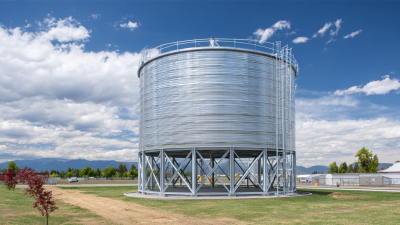
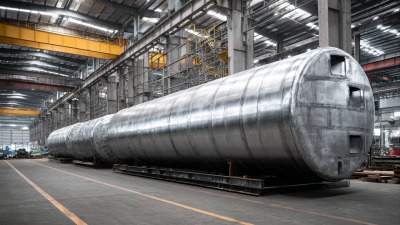
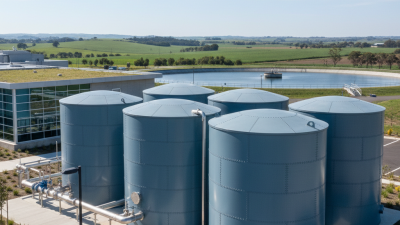
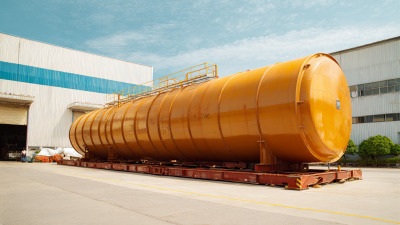
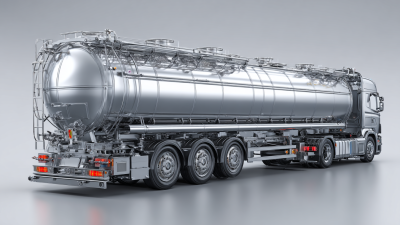
Best Pressed Steel Tanks for Global Buyers in 2026?
In today's dynamic market, the demand for Pressed Steel Tanks is rapidly increasing. Experts in the industry are keeping a close eye on emerging trends. Richard Thompson, a renowned expert in storage solutions, once stated, "Pressed Steel Tanks provide strength and versatility for diverse industrial applications." This highlights their significance in various sectors.
As we venture into 2026, global buyers must understand the evolving features of Pressed Steel Tanks. Advanced technologies are reshaping their design and functionality. These tanks are now more durable and cost-effective, addressing the needs of modern industries. However, potential buyers should be cautious. Not all suppliers guarantee quality and reliability.
Navigating the landscape of Pressed Steel Tanks can be challenging. Buyers must consider factors such as material quality and manufacturer reputation. The choices can be overwhelming, leading to reflections on making the right investments. Keeping these aspects in mind will empower global buyers to make informed decisions in the coming years.
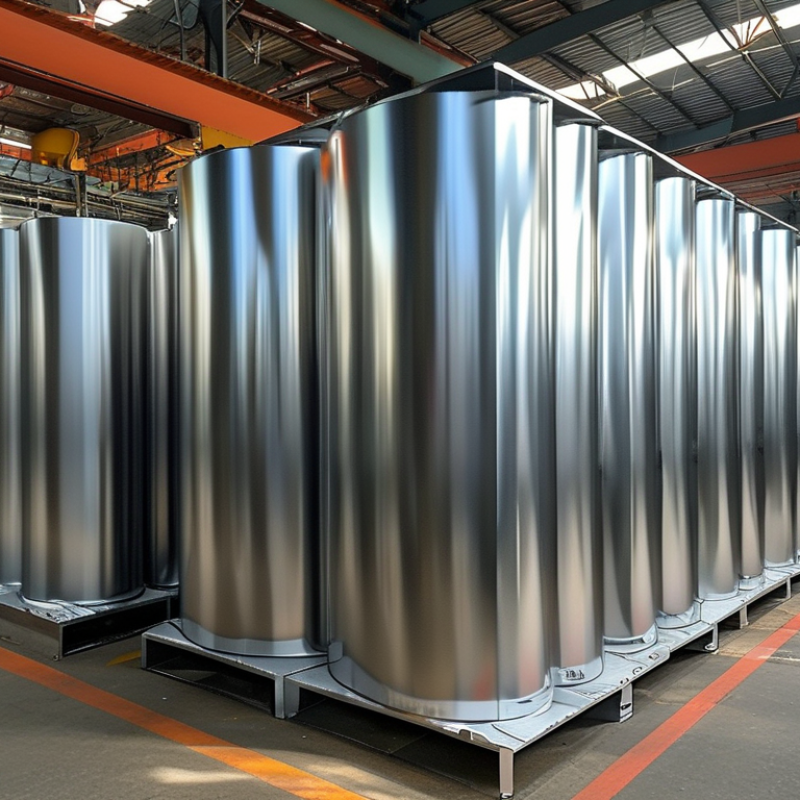
Overview of Pressed Steel Tanks in 2026
Pressed steel tanks are gaining traction in 2026 due to their durability and cost-effectiveness. According to industry reports, the global pressed steel tank market is projected to reach USD 4 billion by the end of this year. This shift reflects a growing demand for sustainable and robust solutions in various sectors, including water treatment and storage.
The technology behind pressed steel tanks has evolved, promoting better insulation and corrosion resistance. Data from a recent study highlighted that these tanks can last up to 30 years with proper maintenance. However, some users report challenges in achieving optimum maintenance. The need for regular inspections often goes overlooked. This oversight can lead to costly repairs or replacements, highlighting the importance of diligent upkeep.
Furthermore, the growing concern over environmental impacts is compelling industries to adopt pressed steel tanks. These tanks are often seen as more eco-friendly than other materials. Nonetheless, there are hesitations regarding their initial investment costs. The perception of high upfront costs can deter potential buyers. Yet, many find that the long-term savings offset these concerns, emphasizing the importance of a comprehensive cost analysis for buyers.
Key Features to Consider When Selecting Pressed Steel Tanks
When selecting pressed steel tanks, buyers should consider several crucial features. The tank's capacity is paramount. Industry reports indicate that the global demand for large capacity tanks is projected to grow by 4.5% annually through 2026. This suggests that businesses should plan for storage needs that align with market forecasts.
Durability and corrosion resistance are also vital. Steel tanks should boast high-quality coatings. According to a survey from Materials Research Journal, up to 30% of tank failures result from inadequate protective layers. Understanding the environmental factors affecting the tank's lifespan can mitigate such risks.
Design flexibility is another aspect to review. A tank that can accommodate various storage needs is beneficial. Buyers should ensure that the design meets regulations in their region. However, designs that lack versatility may restrict future use. Therefore, flexibility in design can enhance long-term viability in a changing market.
Leading Manufacturers of Pressed Steel Tanks Worldwide
Pressed steel tanks are gaining popularity worldwide. These tanks are known for their durability and cost-effectiveness. They are often used in various industries, including oil and gas, agriculture, and water storage. The demand for high-quality pressed steel tanks is on the rise, leading to manufacturers expanding their capabilities.
Many manufacturers are implementing innovative technologies in tank production. They are focusing on enhancing the robustness and lifespan of their products. Some companies are even exploring eco-friendly materials in their designs. This shift indicates a growing awareness about sustainability in manufacturing practices.
Tips: When choosing a pressed steel tank, consider the quality of materials used. Ensure the manufacturer has a solid reputation in the industry. Research customer reviews and ask for recommendations. Comparing prices among various manufacturers can save you money, but ensure you don’t compromise on quality.
Pay attention to the warranty offered. A longer warranty can be an indicator of the manufacturer’s confidence in their product. Not all manufacturers provide the same level of support or services. A little research can lead to significant benefits.
Market Trends and Innovations in Pressed Steel Tank Technology
Pressed steel tanks are becoming more important for various industries in 2026. Innovations in production techniques are enhancing their efficiency and durability. These advancements focus on improving corrosion resistance and overall tank lifespan. New coatings and materials are being developed to ensure tanks withstand harsh environments.
Incorporating smart technology into tank design is a growing trend. Some tanks now feature sensors that monitor pressure, temperature, and fluid levels. This data can be accessed remotely, allowing for timely maintenance. This reduces downtime and operational costs, making the tanks more cost-effective.
Tips: Always check for certifications when purchasing tanks. This ensures compliance with safety standards. Consider the specific requirements of your industry before selection. Evaluate both the tank's material and technology features to maximize performance.
Global Applications and Uses of Pressed Steel Tanks in Various Industries
Pressed steel tanks are gaining traction across various industries. These tanks offer durability and versatility for different applications. Industries such as agriculture, water treatment, and oil storage increasingly utilize these structures for their reliability.
In agriculture, farmers store water and fertilizers in pressed steel tanks. These tanks withstand harsh conditions and have a longer lifespan than traditional options. Water treatment facilities also benefit from these tanks. They provide safe storage for chemicals and purified water. However, one must consider the potential for corrosion over time. Regular maintenance is crucial to ensure longevity and efficiency.
Oil and gas industries use pressed steel tanks for raw material storage. Their lightweight nature simplifies transportation and installation. Yet, improper handling can lead to safety concerns. It's essential for companies to train personnel effectively. Continuous evaluation of industry practices can help maximize the benefits of pressed steel tanks while minimizing risks. These considerations are vital as the global demand for such solutions continues to rise.