Top 10 Benefits of Using Rectangular Water Tanks for Your Needs?
In the realm of water storage solutions, "Rectangular Water Tanks" stand out for their practicality and efficiency. Industry expert Dr. Emily Carter emphasizes, "Rectangular Water Tanks maximize space utilization and simplify water management." This statement reflects the growing recognition of these tanks in various sectors, from agriculture to industrial applications.
The design of a Rectangular Water Tank allows for easier integration into both large and small spaces. Available in various sizes, they can accommodate specific needs without wasting valuable ground area. Despite these advantages, some may overlook their potential. For instance, improper installation can lead to issues like inadequate drainage.
Additionally, the material choice in constructing Rectangular Water Tanks can significantly affect longevity and efficiency. Some tanks may corrode over time, raising concerns about water quality. Reflecting on these factors can help users make informed decisions. Embracing the benefits of Rectangular Water Tanks can enhance water management in homes, industries, and farms alike.
Advantages of Space Efficiency in Rectangular Water Tanks
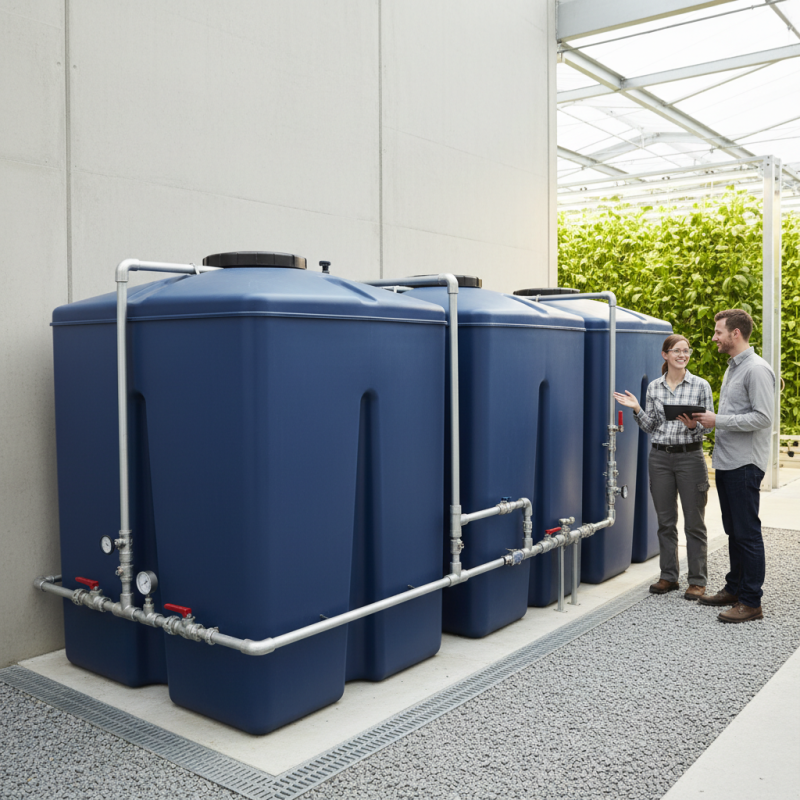
Rectangular water tanks are increasingly popular due to their exceptional space efficiency. These tanks can be easily fitted into tight spaces, making them ideal for urban settings. Research shows that rectangular tanks can utilize space up to 30% more effectively than circular tanks. This efficiency is crucial in cities where land is limited and expensive.
Designing a water collection system with rectangular tanks allows for strategic placement. They can be positioned against walls or in corners, maximizing available area. Effective use of space means more water can be stored without compromising the layout of your property. A 2021 industry report indicated that optimizing storage layouts could reduce overall costs by about 15%.
Tips: Consider the dimensions of your property when selecting a tank. Measure spaces thoroughly to ensure a good fit. Think about accessibility for maintenance. Regular upkeep is necessary to avoid expensive repairs. Sometimes, fitting a larger tank might seem tempting, but space constraints could lead to long-term issues. Choose wisely based on your specific needs.
Top 10 Benefits of Using Rectangular Water Tanks for Your Needs
| Benefit |
Description |
| Space Efficiency |
Rectangular tanks maximize usable space due to their shape, fitting neatly in corners or tight areas. |
| Easy Installation |
Their shape allows for simpler groundwork and easier installation compared to cylindrical tanks. |
| Modular Design |
Rectangular tanks can often be coupled together to increase capacity without sacrificing footprint. |
| Cost-Effective |
Typically cheaper to manufacture due to less material usage compared to curved tanks. |
| Durability |
Made from robust materials, they offer a long lifespan with minimal maintenance required. |
| Versatile Use |
Suitable for various applications, including agricultural, industrial, and residential needs. |
| Ease of Access |
Flat tops allow for easy access for cleaning and maintenance tasks. |
| Customizable Sizes |
Available in a variety of sizes to meet specific storage requirements. |
| Alignment with Landscape |
Their shape can complement existing landscapes and structures without looking out of place. |
| Eco-Friendly Options |
Many rectangular tanks are made from recyclable materials, promoting sustainable practices. |
Cost-Effectiveness of Rectangular Water Tanks Compared to Other Shapes
Rectangular water tanks offer significant cost-effectiveness compared to other shapes. Their design allows for easier stacking and transportation. This means lower shipping costs for businesses. Their flat surfaces make installation straightforward. Fewer materials are needed for construction, which reduces initial investments.
When comparing capacities, rectangular tanks provide more usable space than circular models. This is particularly useful in tight areas. Homeowners and businesses can maximize their storage without needing expansive land. However, one might question if rectangular tanks can always fit in smaller or oddly shaped environments. That could be a limitation.
In addition, maintenance costs tend to be lower over time. A rectangular shape is easier to clean and inspect. Regular checks can identify leaks early. Still, some users may overlook this aspect. They may not think about long-term expenses. Ignoring periodic maintenance might lead to bigger issues later on.
Cost-Effectiveness of Rectangular Water Tanks Compared to Other Shapes
This chart illustrates the cost-effectiveness of rectangular water tanks compared to circular and spherical tanks across various capacities. The data indicates that rectangular tanks generally provide better cost efficiency, especially in larger capacities.
Ease of Installation and Maintenance for Rectangular Water Tanks
Rectangular water tanks are popular for their ease of installation. Most designs are straightforward, allowing quick assembly. With fewer complicated parts, they can save time. Homeowners appreciate the simplicity; it means less hassle and fewer professional fees. A basic DIY approach can work for many. However, some might find technical instructions challenging. Troubleshooting issues can take time.
Maintenance of rectangular tanks is also relatively simple. Regular checks are essential to ensure effectiveness. Basic tasks like cleaning and inspecting joints can prevent larger problems. However, people often overlook these maintenance steps. Forgotten tasks can lead to deterioration. If leaks arise, they can be costly. Making a habit of these checks is crucial but often neglected. Cultivating this routine can ensure longevity and reliability.
Versatility in Use: Applications of Rectangular Water Tanks
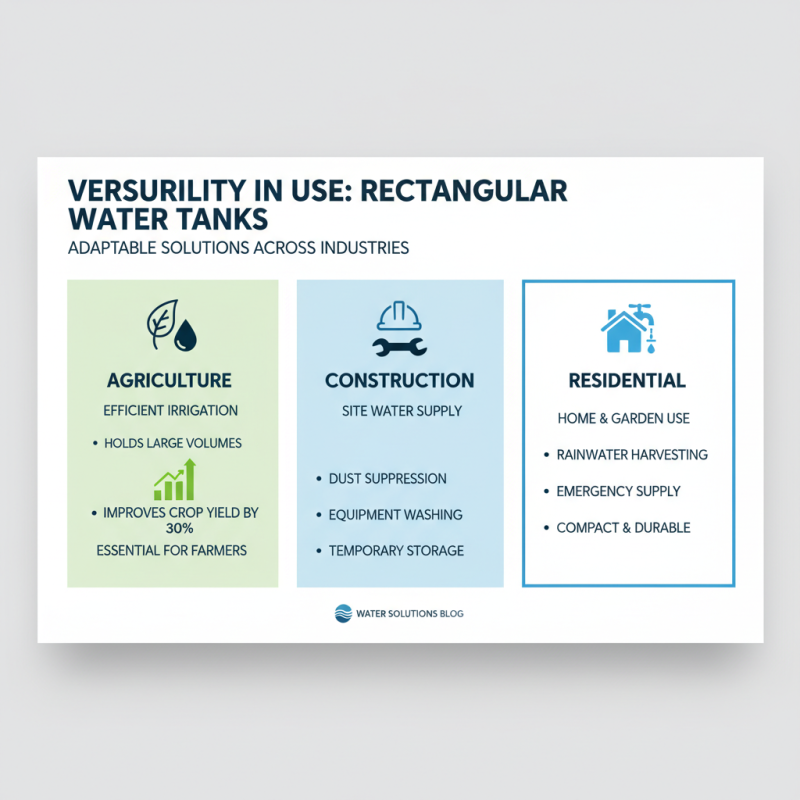
Rectangular water tanks have gained popularity for various applications across industries. Their versatility is highlighted in agriculture, construction, and even residential use. In agriculture, these tanks can hold large volumes of water, essential for irrigation systems. According to a report by the Irrigation Association, efficient water storage improves crop yield by up to 30%. This makes rectangular tanks a valuable asset for farmers.
In construction, rectangular tanks are often used for on-site water storage. They offer a compact design and fit well in tight spaces. A study from the American Water Works Association indicates that using proper storage solutions reduces water waste by about 15%. Additionally, these tanks are easy to install and maintain, though they may require regular inspections for leaks and wear.
Residentially, homeowners find rectangular tanks useful for rainwater harvesting. Many regions face water scarcity, and these tanks provide a practical solution. However, improper installation can lead to issues, such as contamination or structural failure. The more people become aware of these pitfalls, the better they can maximize the benefits of their water storage systems.
Durability and Longevity of Rectangular Water Tanks in Various Conditions
When considering water storage solutions, rectangular water tanks stand out for their durability. Made from robust materials, they can withstand harsh weather conditions. In environments with extreme temperatures, these tanks maintain structural integrity much better than alternatives. Stringent tests show they resist cracking and fading, ensuring long-term usability.
Even with their resilience, occasional maintenance is necessary. Regular inspections can reveal minor issues early. Ignoring these can lead to costly repairs later. Upkeep is manageable, and it ensures the tank serves its purpose efficiently.
Many users appreciate their space-efficient design. Rectangular tanks fit snugly in tight locations. This design maximizes storage without sacrificing stability. In agricultural or urban settings, this versatility is valuable. However, tank placement requires careful thought. Poor location can lead to accessibility issues during maintenance. Thus, planning is crucial for maximizing their durability and longevity.