Top 10 Benefits of Using Metal Water Tanks for Storage?
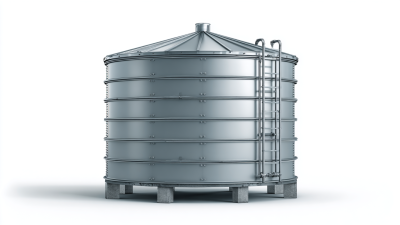
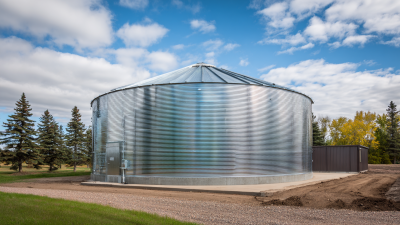
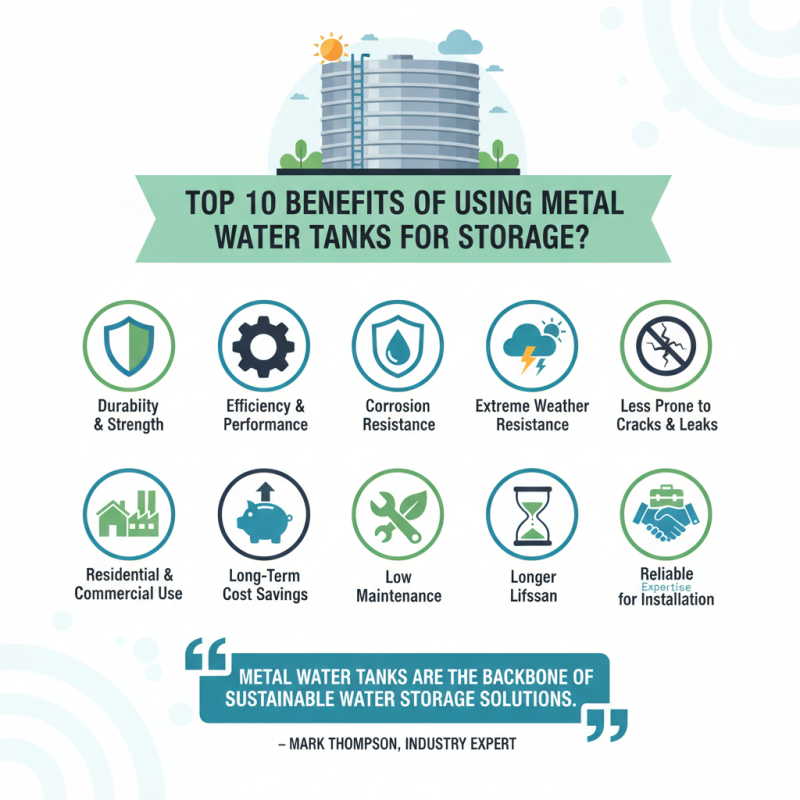
In recent years, the demand for Metal Water Tanks has surged, driven by their durability and efficiency. Industry expert Mark Thompson states, “Metal Water Tanks are the backbone of sustainable water storage solutions.” This statement emphasizes the fundamental role these tanks play in various applications.
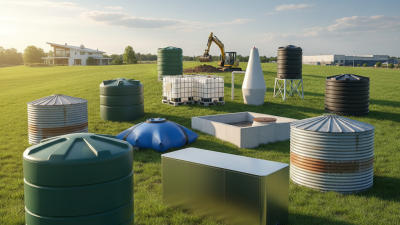
Metal Water Tanks offer numerous benefits. Their resistance to corrosion ensures long-lasting performance. Moreover, they can withstand extreme weather conditions, making them suitable for different environments. Unlike plastic tanks, metal tanks are less prone to cracks and leaks. This makes them a reliable choice for both residential and commercial purposes.
Some might wonder about the cost of metal tanks compared to other materials. While upfront costs can be higher, considering long-term savings is essential. Metal tanks require less maintenance and have a longer lifespan. Yet, improperly installed tanks can lead to leaks, illustrating the importance of reliable expertise. Overall, investing in a Metal Water Tank can be both practical and cost-effective in the long run.
Benefits of Durability and Longevity of Metal Water Tanks
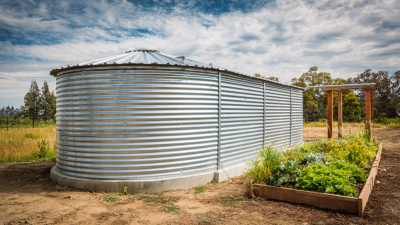
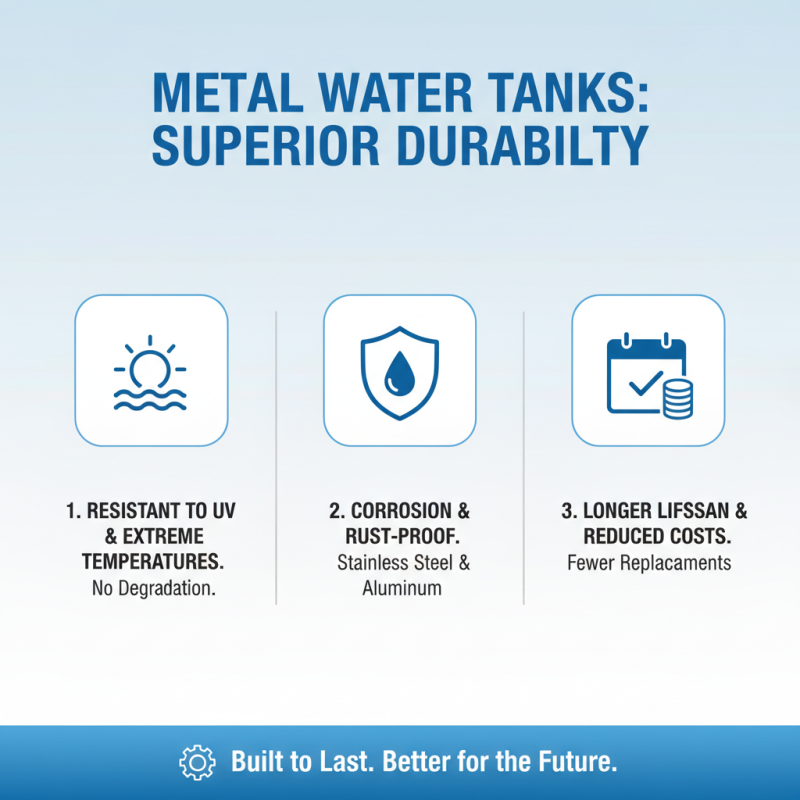
Metal water tanks are known for their durability and longevity. Unlike plastic or fiberglass, metal tanks can withstand extreme weather conditions. They resist corrosion and rust, especially when treated properly. This longevity makes them suitable for various applications, from agricultural use to emergency water storage.
Tips: Regular maintenance checks help ensure the tank's longevity. Inspect for any signs of wear or damage. Address issues immediately to prevent larger problems in the future.
Another benefit is the environmental aspect. Metal tanks are recyclable, reducing waste. Choosing metals like stainless steel or aluminum contributes to sustainability. However, it’s essential to consider the initial cost. While they can be pricier upfront, their long-term benefits outweigh these costs.
Tips: When deciding on a tank, evaluate your specific needs. Think about the projected lifespan and expenses over time. This approach ensures a more efficient investment in your water storage solutions.
Top 10 Benefits of Using Metal Water Tanks for Storage
Resistance to Corrosion and Environmental Factors in Metal Tanks
Metal water tanks stand out for their resistance to corrosion and environmental factors. Unlike plastic tanks, metal tanks withstand exposure to UV rays and extreme temperatures. This durability ensures a longer lifespan for water storage solutions. Metals like stainless steel and aluminum offer additional protection against rust and degradation. Thus, less frequent replacements are necessary, entailing reduced costs over time.
Tips: When selecting a metal tank, consider the type of metal. Each offers unique benefits and drawbacks. For example, aluminum is lightweight but may dent easily. Meanwhile, stainless steel resists corrosion but is heavier. Assess how each material fits your specific storage needs.
Regular maintenance is essential. Inspect your tank for any signs of wear or corrosion. Small issues can escalate if not addressed. Keep an eye on seals and fittings to prevent leaks. Taking proactive measures ensures your tank continues to perform optimally.
Cost-Effectiveness of Metal Tanks Compared to Other Materials
Metal water tanks offer significant cost-effectiveness compared to tanks made from plastic or fiberglass. According to a report from the World Steel Association, steel tanks typically have a lower initial purchase price. They can also provide better longevity due to their durability. This means customers can save money on replacements, which is a key factor for budget-conscious buyers.
Maintenance costs for metal tanks can be lower due to their resistance to UV degradation and temperature variations. A study from the American Water Works Association indicates that, with proper care, metal tanks can last over 30 years. This lifespan often surpasses that of other materials, directly impacting the total cost of ownership. Yet, some users find that initial corrosion can be an issue. It highlights the importance of regular inspections.
In addition, metal tanks often have a higher recycling value. Recycling rates for steel are around 90%, as noted by the Steel Recycling Institute. This not only contributes to sustainability but can also offset costs when a tank is eventually retired. However, potential drawbacks, such as initial rusting if not properly coated, can lead to extra expenditures which must be considered. Evaluating the long-term benefits is crucial in this decision-making process.
Ease of Maintenance and Cleaning for Metal Water Storage Solutions
Metal water tanks offer significant benefits, especially when it comes to maintenance and cleaning. Unlike other materials, metal is non-porous and easy to wipe down. Regular inspections help identify any corrosion or damage early on. This proactive approach can save time and money in the long run.
Cleaning metal tanks is straightforward. A mixture of mild soap and water can effectively remove algae and dirt. Use a soft brush to scrub hard-to-reach areas. Avoid harsh chemicals that may corrode the metal. Rinsing thoroughly ensures no soap residue remains.
Tips: Consider scheduling routine cleaning every six months. Keep an eye out for rust spots. Early detection is crucial. If rust appears, sand it down and apply a protective coating. This will help maintain the tank's integrity and extend its lifespan.
Sustainability and Environmental Impact of Metal Water Tanks
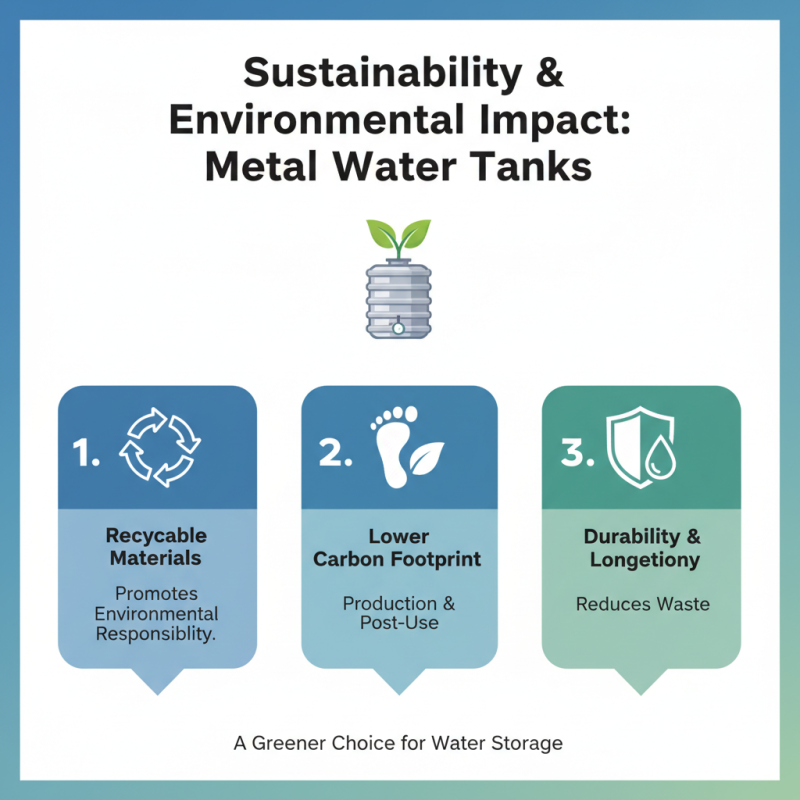
Metal water tanks offer significant advantages for sustainable water storage. They are often made from recyclable materials, promoting environmental responsibility. Unlike plastic tanks, metal tanks have a lower carbon footprint. This reduction is evident during production and after their useful life ends. Metal is durable and can withstand harsh conditions, reducing waste over time.
The impact on sustainability goes beyond durability. Metal water tanks are less likely to leach harmful substances into stored water. This is crucial for maintaining water quality. Additionally, their long lifespan means fewer resources are used for manufacturing replacements. Communities relying on these tanks often experience a reduction in environmental degradation.
While metal tanks have clear benefits, concerns exist about initial costs and installation. Higher upfront expenses might deter some buyers. Maintenance is also necessary to avoid corrosion. Always remember to regularly inspect! However, long-term gains in sustainability often outweigh these challenges. A careful evaluation can reveal that metal water tanks are a responsible choice for the environment.