Top 10 Benefits of Using Galvanized Water Tanks for Your Needs?
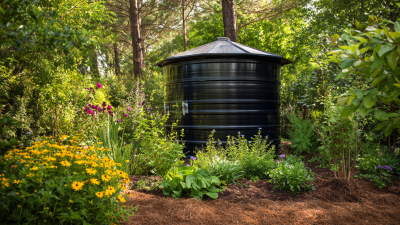
When considering water storage solutions, **Galvanized Water Tanks** stand out for various reasons. These tanks offer durability and longevity, making them a preferred choice for many. Constructed from steel coated with zinc, they resist rust and corrosion effectively. This feature ensures the water remains clean and safe for use.
The versatility of **Galvanized Water Tanks** is another advantage. They can be used in residential, agricultural, and industrial settings. Farmers often rely on them for livestock, while homeowners appreciate their aesthetic appeal. However, there might be concerns about the initial cost. Investing in quality often leads to better long-term savings.
Yet, it’s essential to reflect on personal needs. Are you considering space, capacity, or location? Each factor influences the choice of tank. Choosing the wrong size can lead to inefficiency. Therefore, evaluating your specific requirements is crucial in making the right decision. Ultimately, **Galvanized Water Tanks** provide many benefits, but appreciating their value involves careful thought and planning.
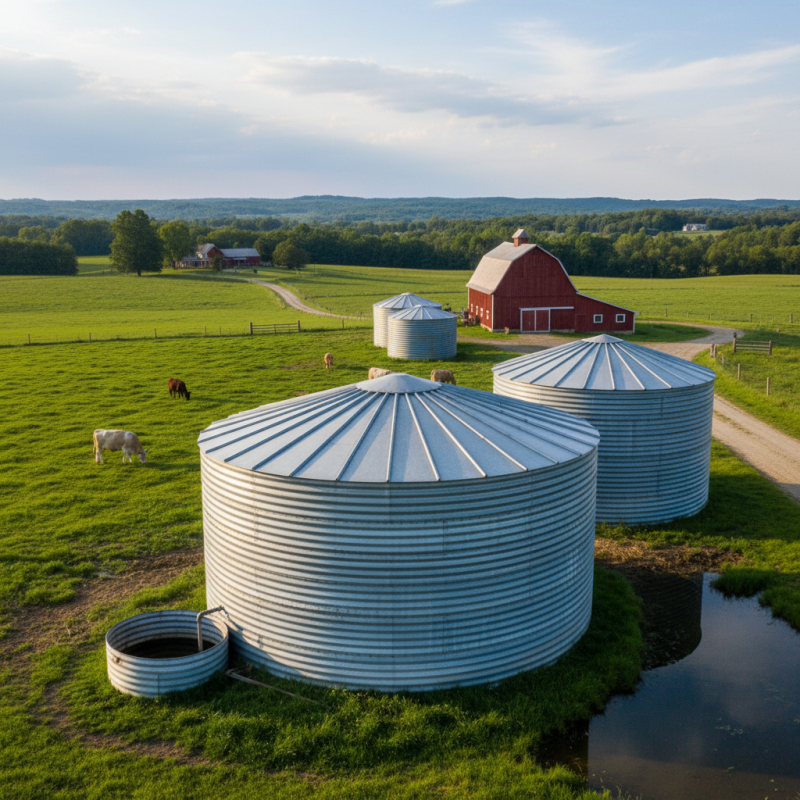
Benefits of Corrosion Resistance in Galvanized Water Tanks
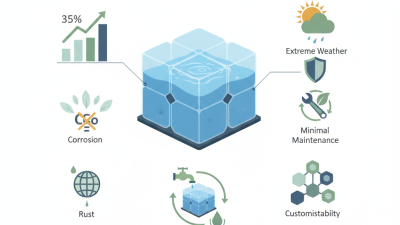
Corrosion resistance is a significant advantage of galvanized water tanks. These tanks are made from steel coated with a layer of zinc, which acts as a barrier. This layer prevents rust and deterioration, extending the tank's lifespan. In areas with high humidity or frequent exposure to water, this feature is vital. Over time, untreated metal can corrode, leading to leaks and costly repairs.
Using galvanized water tanks can save money in the long run. With their resistance to corrosion, you can minimize maintenance needs. You can focus on other tasks instead of worrying about tank integrity. However, it is essential to note that not all galvanized tanks are created equal. Some may have varying thicknesses of zinc coating, affecting their performance. Ensuring the right quality is crucial.
Furthermore, these tanks often require installation in specific environments. For instance, direct sunlight can sometimes impact the protective zinc layer. Regular inspections are still necessary for optimal performance. While galvanized tanks offer significant benefits, one must remain vigilant. A proactive approach can enhance the longevity of the tank, but gaps in maintenance could lead to unforeseen issues.
Long-Term Cost Savings: Analyzing the Durability of Galvanized Tanks
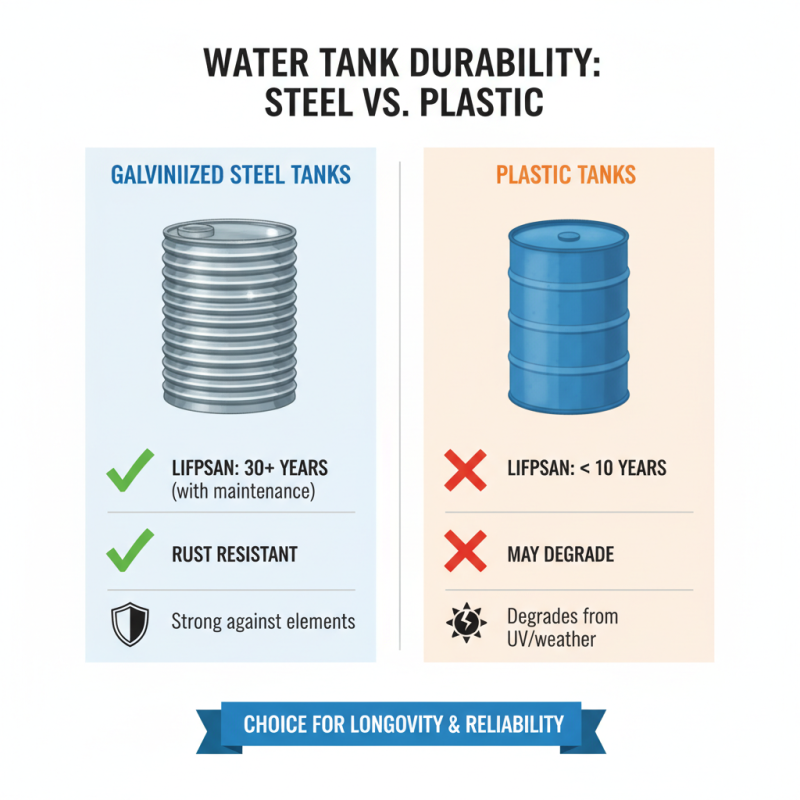
When considering water storage solutions, the durability of galvanized water tanks becomes apparent. Research indicates that these tanks can last over 30 years with proper maintenance. This is significant compared to plastic tanks, which may degrade in less than a decade. Rust resistance is a vital factor, as galvanized steel often withstands environmental challenges better than alternative materials.
Moreover, the long-term cost savings are considerable. A study by the Water Management Association noted that switching to galvanized tanks could reduce maintenance costs by up to 40%. This is especially crucial for industries needing reliable water sources, like agriculture and construction. However, some users report initial higher costs. Weighing upfront expenses against long-term benefits becomes essential.
Galvanized tanks do require regular inspections for signs of wear. Failure to do so can lead to unexpected repairs. Some users struggle with this vigilance, leading to potential disruptions. Understanding the need for ongoing monitoring helps mitigate risks associated with tank failure. Ultimately, the true value lies in the tank's lifespan and performance in various conditions.
Environmental Impact: Galvanized Water Tanks and Sustainability
Galvanized water tanks offer several environmental advantages that align with sustainability goals. Made from steel coated with zinc, these tanks resist corrosion. According to a report by the American Water Works Association, corrosion accounts for nearly 30% of water infrastructure failures. Using galvanized tanks can extend infrastructure life, reducing waste.
Their durability leads to lower maintenance costs. This is crucial for many sectors that rely on water storage. A study from the International Water Association found that conserving resources is essential for sustainable practices. In fact, the longevity of galvanized tanks means fewer replacements, less steel production, and lower greenhouse gas emissions.
However, factors like energy consumption during production require consideration. The process of galvanization, while beneficial, can be energy-intensive. Evaluating the entire lifecycle of materials helps in making informed choices. The balance between environmental impact and resource use is essential for genuine sustainability. The community must weigh these aspects realistically to take meaningful steps toward sustainable water solutions.
Top 10 Benefits of Using Galvanized Water Tanks for Your Needs
| Benefit |
Description |
Environmental Impact |
| Durability |
Galvanized tanks are resistant to rust and corrosion, ensuring a long lifespan. |
Less frequent replacement reduces waste. |
| Cost-Effectiveness |
Lower maintenance costs over time due to their durability. |
Conserves resources by minimizing repairs and replacements. |
| Non-toxicity |
Made from non-toxic materials, safe for drinking water storage. |
Promotes health and safety in water usage. |
| Ease of Installation |
Relatively easy to install compared to other tank types. |
Less construction waste generated during the installation process. |
| Versatility |
Suitable for various applications like agriculture, irrigation, and rainwater harvesting. |
Supports sustainable water management practices. |
| Aesthetic Appeal |
Available in various shapes and sizes, improving visual appeal. |
Enhances landscape while ensuring functional sustainability. |
| Low Maintenance |
Requires minimal upkeep, allowing for long-term use. |
Reduced need for maintenance resources. |
| Recyclability |
At the end of its life cycle, can be fully recycled. |
Minimizes landfill waste through recycling options. |
| Temperature Regulation |
Helps stabilize water temperature, reducing growth of bacteria. |
Promotes safer water quality management. |
| Energy Efficiency |
Contributes to energy savings by reducing the need for temperature control measures. |
Lower energy consumption leads to a smaller carbon footprint. |
Health and Safety Standards Met by Galvanized Water Tanks
Galvanized water tanks are popular for many reasons, especially regarding health and safety standards. According to a report by the American Water Works Association, galvanized steel can prevent issues like rust and corrosion, crucial for maintaining clean water. In fact, these tanks are coated with zinc, which forms a protective layer that enhances durability and safety.
Research indicates that zinc coatings help inhibit bacteria growth. This is significant because waterborne diseases are a leading cause of health issues worldwide. The World Health Organization states that untreated water can carry pathogens leading to serious illness. With galvanized tanks, water quality is better protected, meeting stringent health regulations.
However, it’s important to recognize challenges. Over time, the zinc layer can wear off, risking exposure. Regular maintenance is essential. Some may argue that alternatives exist, but galvanized tanks remain cost-effective and reliable. They provide a practical solution for storing water safely. Disregarding these benefits may lead to increased health risks and financial strains in the long run.
Top 10 Benefits of Using Galvanized Water Tanks
This bar chart illustrates the top 10 benefits of using galvanized water tanks, rated on a scale of 1 to 10 based on their importance and effectiveness. Each benefit highlights a significant aspect that ensures quality and safety standards for various water storage needs.
Versatility in Various Applications: Residential to Industrial Use
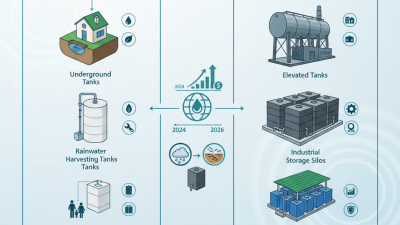
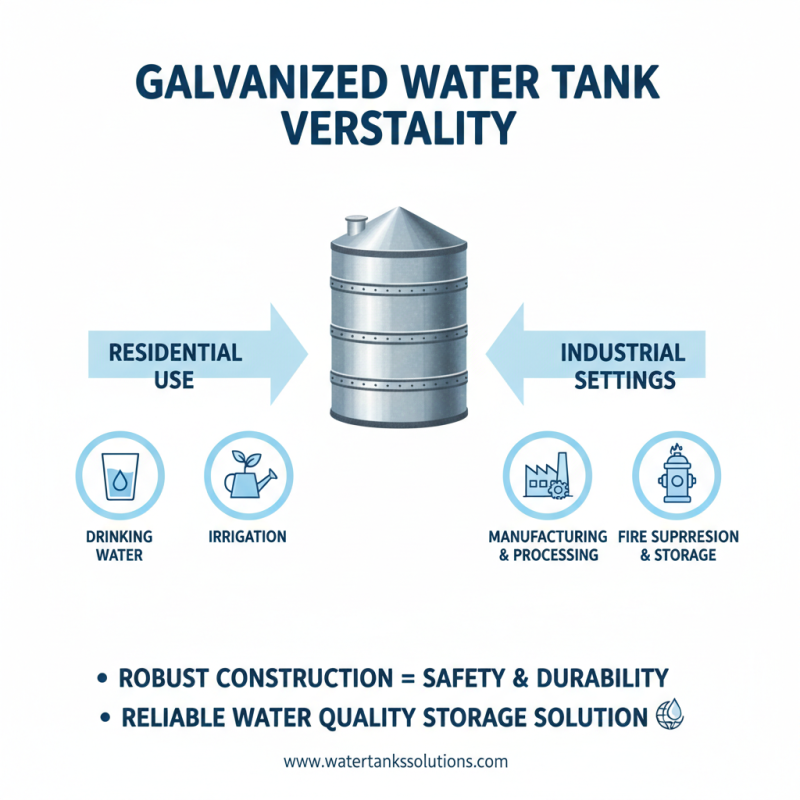
Galvanized water tanks offer incredible versatility across different applications. Whether for residential use or in industrial settings, these tanks stand out. Homeowners often use them to store drinking water or for irrigation purposes. Their robust construction ensures safety and durability in various climates. In an era of rising concerns about water quality, having a reliable storage solution is essential.
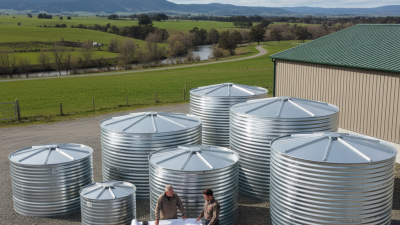
In industrial environments, galvanized water tanks can handle larger volumes. They are perfect for storing water needed in manufacturing processes or agricultural uses. These tanks resist corrosion, ensuring a long lifespan. However, not all environments may favor galvanized tanks. Some industries might need specialized storage solutions. It's essential to evaluate needs carefully before investing. This sometimes overlooked detail can save costs in the long run. Regardless of the setting, understanding specific requirements can lead to better choices.