What are the Benefits of Using Flexible Water Tanks?
Flexible Water Tanks have gained significant traction in various industries due to their versatility and efficiency. According to a recent market report by Research and Markets, the global flexible water tank market is expected to grow at a rate of 5.1% annually from 2021 to 2028. This growth highlights the demand for innovative water storage solutions.
The design of Flexible Water Tanks allows for easy transportation and installation. These tanks can adapt to different environments, making them suitable for both urban and rural settings. They are lightweight, durable, and easy to deploy, often made from advanced materials that resist punctures and leaks. In emergency situations, their quick setup can be crucial.
However, potential users should also consider the limitations. For instance, the tanks may require regular maintenance checks to ensure longevity. Additionally, depending on the materials used, they might not be ideal for all liquids. Overall, the benefits of Flexible Water Tanks are clear, but like any solution, they come with challenges that require careful assessment.

Benefits of Flexible Water Tanks for Agricultural Irrigation Needs
Flexible water tanks are revolutionizing agricultural irrigation. They offer several advantages that can significantly enhance crop production. These tanks are designed to store large volumes of water, making them ideal for irrigation in areas facing water scarcity. Farmers can easily transport these tanks to different locations, adapting to changing water needs throughout the season.
The material used in these tanks is often durable and resistant to UV rays. This ensures a long lifespan, reducing the need for frequent replacements. Moreover, flexible water tanks can be installed quickly, often without the need for heavy machinery. This convenience allows farmers to set up irrigation systems more efficiently. However, they may face challenges in terms of punctures. Regular maintenance is essential to ensure optimal functionality.
By utilizing flexible water tanks, farmers can optimize their water usage. This is crucial in an era where water resources are becoming increasingly limited. However, the initial investment may be a concern for some. Balancing the cost with the benefits in terms of increased yield is a consideration that requires careful thought. Transitioning to these tanks could significantly impact the sustainability of farming practices, highlighting the need for further exploration and adaptation.
Benefits of Using Flexible Water Tanks for Agricultural Irrigation Needs
Cost Efficiency of Flexible Water Tanks Compared to Traditional Options
Flexible water tanks offer significant cost efficiency compared to traditional options. Their lightweight design reduces transportation costs. Installation is simpler, requiring less labor and time. Many projects can save thousands by choosing flexible tanks over concrete or metal.
The initial investment for flexible tanks is often lower. Their ability to be deployed quickly is valuable. However, some may question their durability. While many flexible tanks are robust, wear and tear can occur faster than traditional tanks. Regular maintenance is essential to prolong their lifespan. Failure to address this might lead to higher costs down the road.
Cost is just one factor. Flexible tanks also provide adaptable solutions. They can be used in various terrains and conditions. Yet, there is a learning curve for some users. Proper training on usage ensures longevity and functionality. This balance between initial savings and possible future expenses deserves careful consideration.
Durability and Longevity of Flexible Water Tanks in Harsh Environments
Flexible water tanks offer remarkable durability and longevity, especially in harsh environments. These tanks are designed to withstand extreme temperatures, UV exposure, and physical stress. Whether it's extreme cold or relentless heat, the materials used can endure without cracking or breaking. This resilience ensures a long-lasting solution for water storage needs in various settings, from remote construction sites to disaster relief operations.
When selecting a flexible water tank, consider the potential environmental conditions. Tanks exposed to sharp objects may need additional protection. Regular inspections can help identify wear and tear, allowing for proactive maintenance. It's essential to monitor for leaks, which can compromise tank integrity.
Tips for maintaining flexible water tanks: Regularly check for any signs of stress or damage. Ensure the storage area is free from sharp debris. Proper installation is crucial; follow guidelines for securing the tank. Each step plays a part in prolonging the lifespan of your water storage solution.
Space-Saving Advantages of Flexible Water Tanks for Urban Development
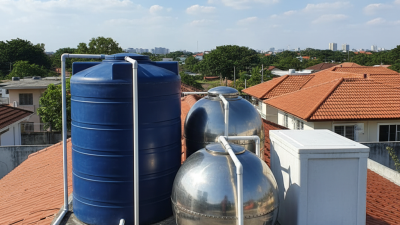
Flexible water tanks offer significant space-saving advantages for urban development projects. In cities, land is at a premium. According to a report by the American Water Works Association, urban areas often face water storage shortages. Flexible tanks can adapt to various urban landscapes, fitting into small or awkward spaces. They can be installed on rooftops, in basements, or alongside structures, optimizing every square foot.
These tanks hold substantial amounts of water, with capacities ranging from hundreds to thousands of gallons. The flexibility of these tanks allows them to be deployed in areas where traditional tanks cannot. A study by the Water Research Foundation highlights that utilizing flexible tanks can lead to a reduction in infrastructure costs by up to 30%. This cost efficiency is crucial for city planners working within strict budgets.
While the benefits are clear, some challenges arise. Maintenance may be more complex due to their materials. Additionally, the durability of flexible tanks should be assessed carefully. Thought must be given to temperatures and environmental factors. Engaging with professionals can lead to better outcomes. Urban developers stand to gain, but they must weigh the pros and cons carefully.
Environmental Impact of Using Flexible Water Tanks for Water Storage
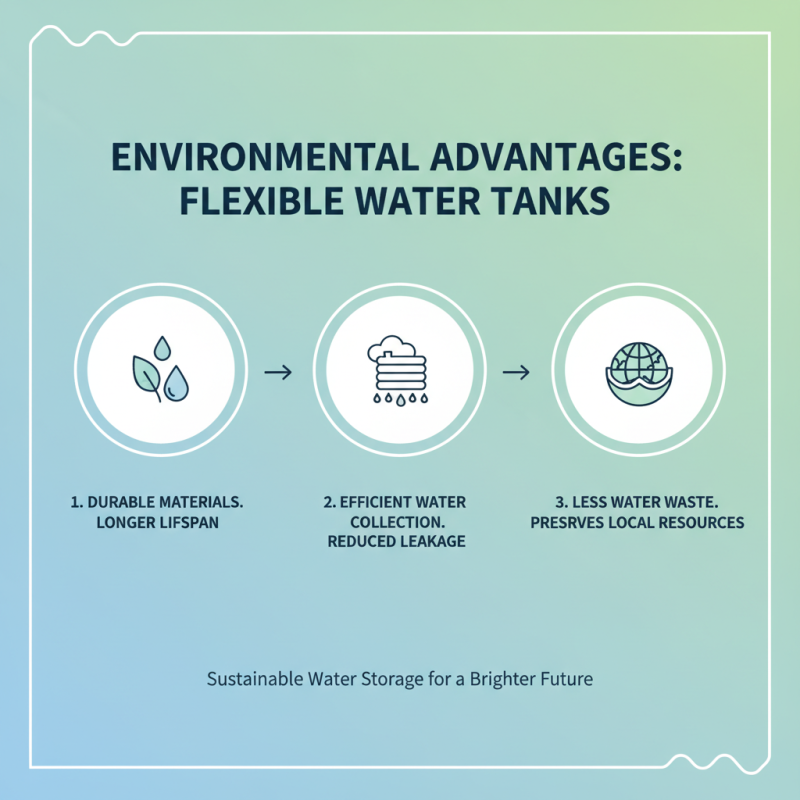
Flexible water tanks offer notable environmental benefits, particularly in water storage applications. These tanks are made from durable materials that resist corrosion and environmental wear. This leads to a longer lifespan compared to traditional storage solutions. Their design allows for efficient water collection and reduces the risk of leakage. With less water wasted, they maintain local water resources effectively.
Additionally, flexible tanks can be deployed in remote locations with ease. Their lightweight nature reduces transportation emissions, contributing to a smaller carbon footprint. However, it’s essential to consider the materials used in production. Some may not be fully recyclable, which raises concerns about long-term environmental impact. Striking a balance between functionality and sustainable materials is crucial for further improvements.
Water stored in these tanks can also mitigate flooding risks in vulnerable areas. By allowing water capture during storms, they provide a way to manage excess rainfall. But, the tanks must be regularly monitored and maintained. If neglected, they could lead to contamination or deterioration of stored water quality. This highlights the importance of responsible usage and monitoring practices for these innovative storage solutions.