What are the Benefits of Pressed Steel Tanks for Buyers?
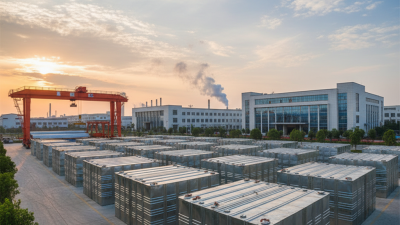
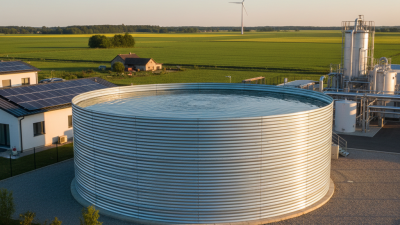
In the world of water storage solutions, the Pressed Steel Tank stands out for its durability and cost-effectiveness. Industry expert John Smith, a leading figure in tank manufacturing, emphasizes, "Pressed Steel Tanks offer unmatched reliability for both residential and industrial needs." These tanks are designed to withstand harsh conditions, making them suitable for various environments.
One major benefit is their lightweight nature. This allows for easier transportation and installation. Many buyers also appreciate the customization options available. Tanks can be tailored to meet specific space and capacity requirements. However, potential buyers should consider that while these tanks provide many advantages, they may require more maintenance than traditional alternatives.
Another aspect worth noting is the environmental impact. Pressed Steel Tanks are often made from recyclable materials, promoting sustainability. Despite this, some users might find limited information on maintenance practices. This can cause uncertainty in ensuring the tank’s longevity. Overall, it’s essential for buyers to understand both the benefits and challenges of investing in a Pressed Steel Tank.
Benefits of Pressed Steel Tanks for Buyers: An Overview
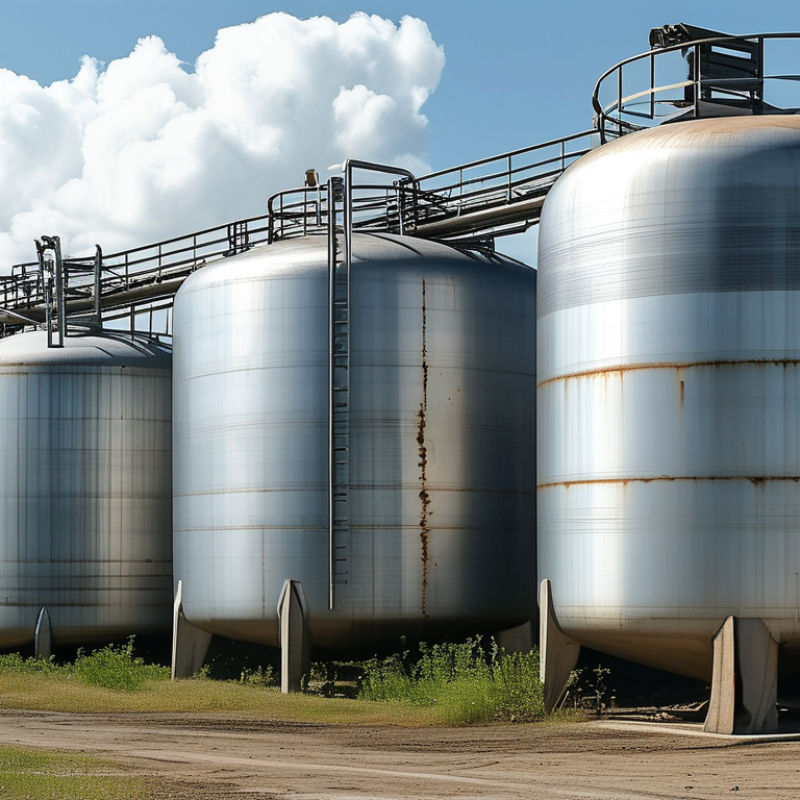
Pressed steel tanks offer numerous advantages for buyers seeking durable and efficient storage solutions. These tanks are designed to withstand harsh environmental conditions. They have a high resistance to corrosion, ensuring longevity. Buyers can expect lower maintenance costs due to the robust materials used in their construction. This makes pressed steel tanks a cost-effective choice for storage needs.
When considering pressed steel tanks, think about the installation process. Proper installation is crucial to maximize performance. Buyers should consult professionals for accurate setup. They may also need to account for future expansion. Keeping flexibility in mind can save costs in the long run.
It's essential to evaluate the required capacity carefully. Oversized tanks can lead to wasted resources. Conversely, undersized tanks cannot meet your needs. Buyers should assess their requirements before making a purchase. A well-analyzed decision will optimize investment in pressed steel tanks.
Durability and Longevity of Pressed Steel Tanks: Key Metrics
Pressed steel tanks offer remarkable durability and longevity, making them a desirable choice for buyers. Research indicates that properly engineered pressed steel tanks can last between 30 to 50 years. This durability is primarily attributed to high-quality materials and innovative construction techniques. For instance, a study by the American Water Works Association highlights that tanks constructed with galvanized steel have enhanced corrosion resistance. This resistance significantly extends their lifespan compared to other materials.
In terms of key metrics, pressed steel tanks typically withstand extreme weather conditions and thermal expansion. Their design allows for a flexible response to temperature fluctuations, preventing structural damage. According to the National Association of Corrosion Engineers, steel tanks that are adequately maintained show a corrosion rate of less than 0.1 mm per year. This statistic emphasizes the importance of ongoing maintenance and protective coatings. However, buyers should remain vigilant about potential issues, such as localized corrosion or structural fatigue. Regular inspections can help mitigate these risks and ensure long-term functionality.
Cost-Effectiveness: Analyzing the Total Ownership Cost
Pressed steel tanks have garnered attention for their cost-effectiveness and long-term operational benefits. When analyzing the total ownership cost, prospective buyers often overlook critical aspects. According to recent industry reports, pressed steel tanks exhibit an average lifespan of over 30 years. This durability can significantly reduce replacement costs over time.
Maintenance is another key factor affecting total cost. Industry analysis indicates that pressed steel tanks require less maintenance than traditional options, translating to lower ongoing expenses. A report from the Water Environment Federation highlights that the maintenance costs for pressed steel tanks can be up to 20% lower than those of concrete tanks. This directly impacts the overall budget, making these tanks a preferred choice for many sectors.
While pressed steel tanks present numerous advantages, potential buyers should also consider environmental factors. The production process, if not managed correctly, can contribute to carbon emissions. Furthermore, buyers must ensure adherence to local regulations. Each project presents unique challenges that require careful assessment. This nuanced perspective on ownership costs can lead to more informed, effective decision-making in the long run.
Environmental Impact: Sustainability Advantages of Steel Tanks
Pressed steel tanks offer notable sustainability advantages for buyers. These tanks are often made using recycled steel, which reduces the demand for new raw materials. By choosing steel, buyers support a circular economy. Steel is durable and recyclable, making it a prime choice for environmentally conscious decisions.
Moreover, pressed steel tanks can have a lower carbon footprint compared to other materials. Manufacturing processes are continually improving to minimize energy consumption and waste. However, there are still challenges. Not all steel production processes are equal, and some can be quite energy-intensive. Buyers should inquire about the production practices and sustainability certifications of manufacturers.
Storage options can greatly influence environmental impact. Pressed steel tanks are also resistant to rust and corrosion. This translates into a longer lifespan and reduced need for replacements. However, ongoing maintenance is essential to ensure their longevity. Buyers must be diligent about upkeep to fully realize the benefits of enhanced sustainability. Choosing wisely can lead to a meaningful reduction in overall environmental impact.
Versatility in Application: Industries That Benefit from Steel Tanks
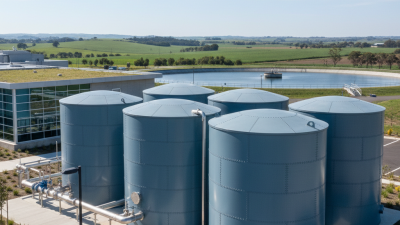
Pressed steel tanks are versatile and can serve multiple industries effectively. They are used in agriculture for storing water, fertilizers, and chemicals. In the food and beverage sector, these tanks ensure proper storage of liquids while maintaining hygiene standards. Wastewater treatment facilities use them for their durability and strength.
Another key application is in the construction industry. Steel tanks are essential for holding various materials, such as concrete or aggregates. They withstand harsh conditions, making them reliable. This is crucial for ongoing projects where delays can be costly.
Tips: Consider the environment when selecting a tank. Look for options that can withstand extreme temperatures. Additionally, ensure the tank meets all safety standards. Regular maintenance checks can help prolong the lifespan of the tanks. Evaluate your specific needs before making a purchase to ensure optimal performance and efficiency.
Benefits of Pressed Steel Tanks Across Various Industries