What are the Benefits of Poly Water Tanks in 2026?
Poly Water Tanks have gained significant attention as a vital solution for water storage in various sectors. According to a recent report by the Global Water Solutions Association, the demand for high-capacity water tanks is expected to rise by 25% in 2026. This increasing need is driven by challenges in water scarcity and the necessity for sustainable storage options. As industry expert Dr. Helen Li states, "Poly Water Tanks offer unmatched durability and versatility for modern water management."
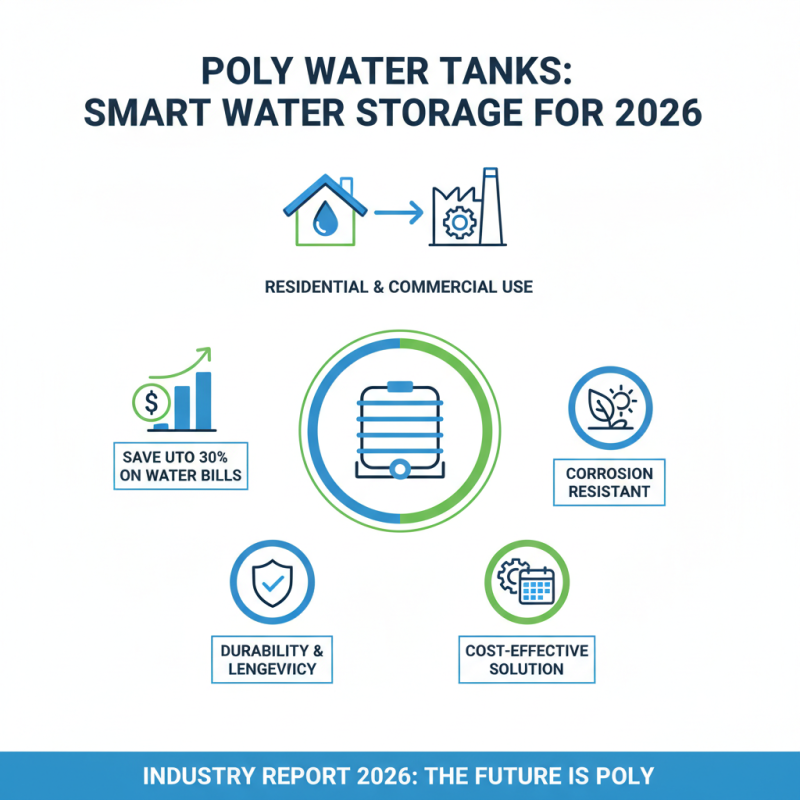
These tanks are lightweight and resistant to corrosion, making them suitable for diverse climates. They can be easily transported and installed, reducing labor costs and time. Reports indicate that poly tanks can endure extreme weather conditions, emphasizing their reliability. Despite their advantages, consumers often overlook the importance of quality and infrastructure, which can affect their overall effectiveness.
Moreover, the growing emphasis on sustainability calls for innovations in material technology. Poly Water Tanks must evolve to meet these demands and ensure the purity of stored water. As noted by the Water Storage Innovation Institute, the shift toward eco-friendly materials is critical, yet challenging. Addressing these concerns will be essential to fully harnessing the benefits of Poly Water Tanks in the near future.
Advantages of Poly Water Tanks in Sustainable Water Management
Poly water tanks offer numerous advantages in sustainable water management. Their durability makes them a reliable choice for storing water. Unlike metal tanks, poly tanks do not corrode, providing long-lasting use. They can also withstand extreme weather conditions, both hot and cold. This resilience makes them suitable for diverse climates.
Efficient water storage is essential for conservation efforts. Poly water tanks are designed to minimize evaporation. This feature helps retain water for longer periods, especially in arid regions. Additionally, these tanks are lightweight, making them easier to transport and install. Their flexibility in design allows for various capacities to suit different needs.
However, there are challenges too. Over time, some poly tanks can fade when exposed to sunlight. Regular maintenance is necessary to address this issue. It's crucial to ensure the tanks are clean and free from contaminants. While poly tanks are effective, users must be vigilant about their upkeep. Finding the right balance between convenience and sustainability is key.
Durability and Longevity of Poly Water Tanks Compared to Alternatives
Poly water tanks have become a popular choice for various applications due to their impressive durability and longevity. Unlike metal tanks, which can corrode over time, poly tanks resist rust and are less prone to damage from environmental factors. This makes them ideal for use in harsh climates. Their lightweight construction allows for easier installation, reducing labor costs and time spent on setup.
However, not all poly tanks are created equal. Some cheaper models may fail under extreme conditions. It's essential to consider quality and manufacturer reputation.
In terms of longevity, poly water tanks can last decades when properly maintained. They can withstand UV exposure without degrading, unlike some other materials. Regular inspections can prevent issues, such as cracking or warping, which may happen as they age. Proper cleaning and care will extend their life even further. Still, it’s crucial to avoid scenarios where the tanks are left empty for long periods. This can lead to structural problems.
Yet, challenges remain. For instance, moving a full poly tank can be complex due to its size and weight, even if it's lighter than steel options. Furthermore, while maintenance is minimal, neglecting small repairs can lead to significant issues later. Investing in quality tanks requires a balance of upfront costs versus long-term savings.
Cost-Effectiveness of Poly Water Tanks for Residential and Commercial Use
Poly water tanks are emerging as a cost-effective solution for both residential and commercial use in 2026. A recent industry report indicates that these tanks can save homeowners up to 30% on water costs. They offer durability and longevity, often outlasting traditional tanks. Notably, poly tanks resist corrosion, making them ideal for various climates.
For businesses, the savings are even more pronounced. Data shows that companies using poly water tanks cut their water procurement costs by nearly 20%. This reduction can significantly impact operational expenses, freeing up funds for other essential areas. The lightweight design also reduces installation costs, as fewer labor hours are required.
However, not all poly water tanks are equal. Some companies use inferior materials that may compromise the tank's lifespan. It’s crucial for consumers to research before purchasing. Quality comes with a price, often leading to a tempting low-cost option that could require frequent replacements. This reality challenges the notion of cost-effectiveness in the long run. Sustainable water management is vital, yet businesses and homeowners should remain cautious in their selections.
Environmental Impact of Using Poly Water Tanks for Water Storage
Poly water tanks have gained popularity due to their environmental benefits. They are made from recyclable materials, reducing the need for virgin plastics. This helps lower carbon footprints during production. Additionally, these tanks are lightweight, which eases transportation and installation. This aspect is crucial for areas that lack proper infrastructure.
Using poly water tanks can minimize water evaporation during storage. Their insulation properties help maintain cooler temperatures for stored water. However, not all tanks are created equal. Some may not adequately protect against UV rays, leading to water quality issues over time. It’s essential for consumers to research and choose products wisely to avoid potential pitfalls.
Poly water tanks can also impact local ecosystems. If improperly managed, leaks may lead to contamination. Regular maintenance is necessary to prevent such issues. Sustainable practices must be promoted to ensure that these tanks contribute positively to both water conservation and environmental health. By understanding these factors, users can make better choices for their water storage needs.
Versatility of Poly Water Tanks in Different Applications and Settings
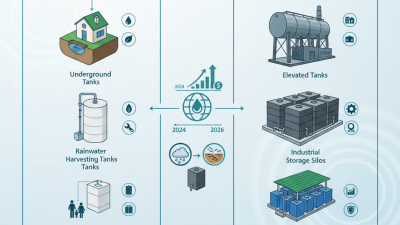
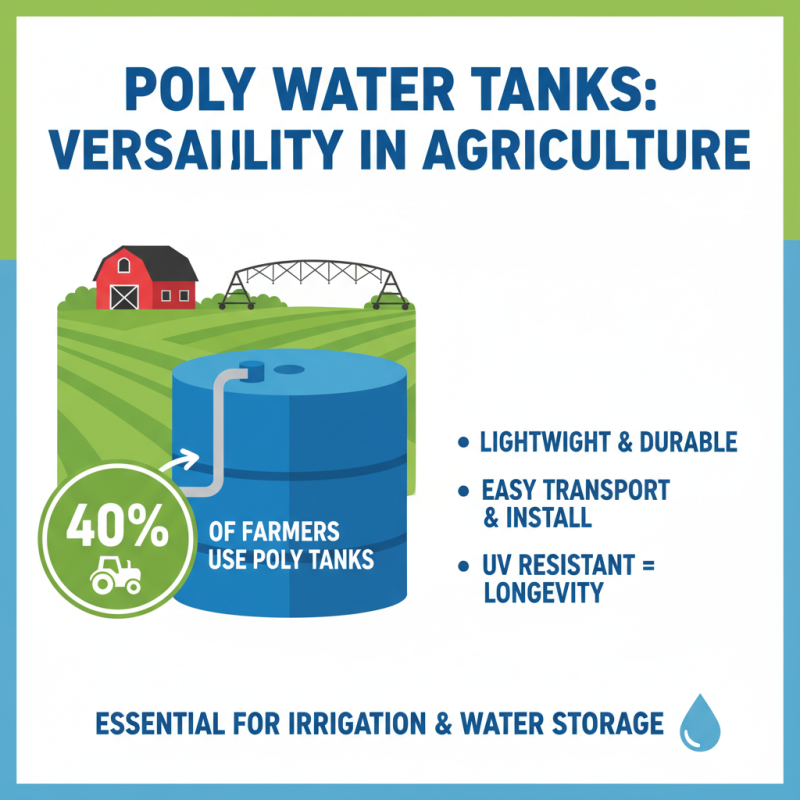
Poly water tanks have gained popularity for their versatility across various applications. In agriculture, these tanks are invaluable for irrigation. According to a recent industry report, approximately 40% of farmers use poly tanks for water storage and distribution. This is due to their lightweight and durable nature, making them easier to transport and install compared to traditional materials. Their resistance to UV rays ensures longevity even in harsh climates.
In urban settings, poly tanks serve multiple purposes. Many homeowners use them for rainwater harvesting. This trend has grown significantly, with a reported increase of 30% in urban installations over the past five years. However, there are concerns regarding the maintenance of these tanks. While poly tanks can prevent algae growth, neglecting regular cleaning may lead to contamination. It’s crucial to address these maintenance challenges to ensure safe water storage.
Furthermore, in industrial settings, poly water tanks provide a cost-effective solution for bulk storage. They can withstand various chemicals, which adds to their appeal in factories. A survey found that 25% of industries prefer poly tanks due to their chemical resistance. Nonetheless, businesses must remain vigilant about the tank’s integrity. Regular inspections can prevent costly leaks or damages, promoting both safety and efficiency.