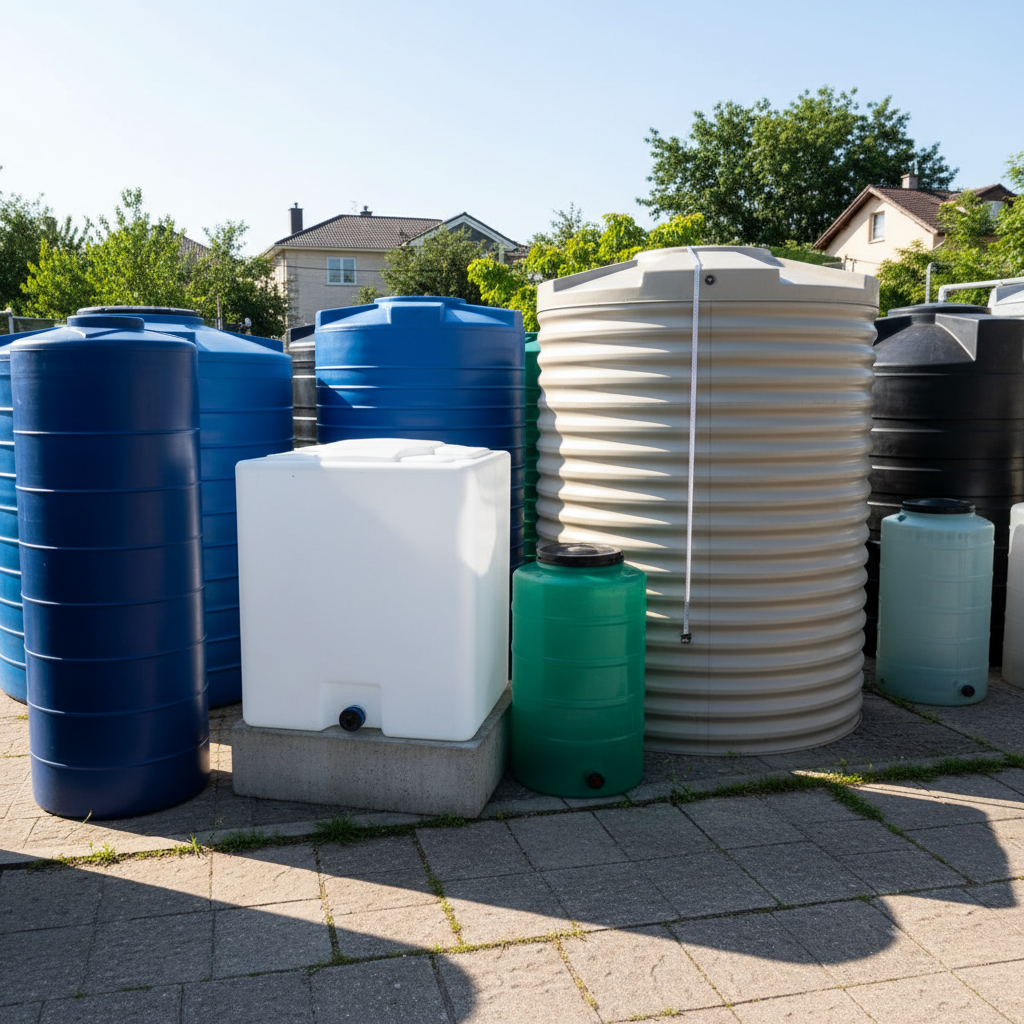
2025 Guide: How to Choose the Best Household Water Tanks for Your Home
In the quest for sustainable living, the importance of selecting the right Household Water Tanks cannot be overstated. As we move towards 2025, homeowners face an array of choices that can impact water conservation and efficiency within their homes. According to John Smith, a leading expert in rainwater harvesting systems, "Choosing the right water tank is crucial for maximizing water storage and ensuring quality supply for everyday use." This assertion reinforces the need for careful consideration when investing in water storage solutions.
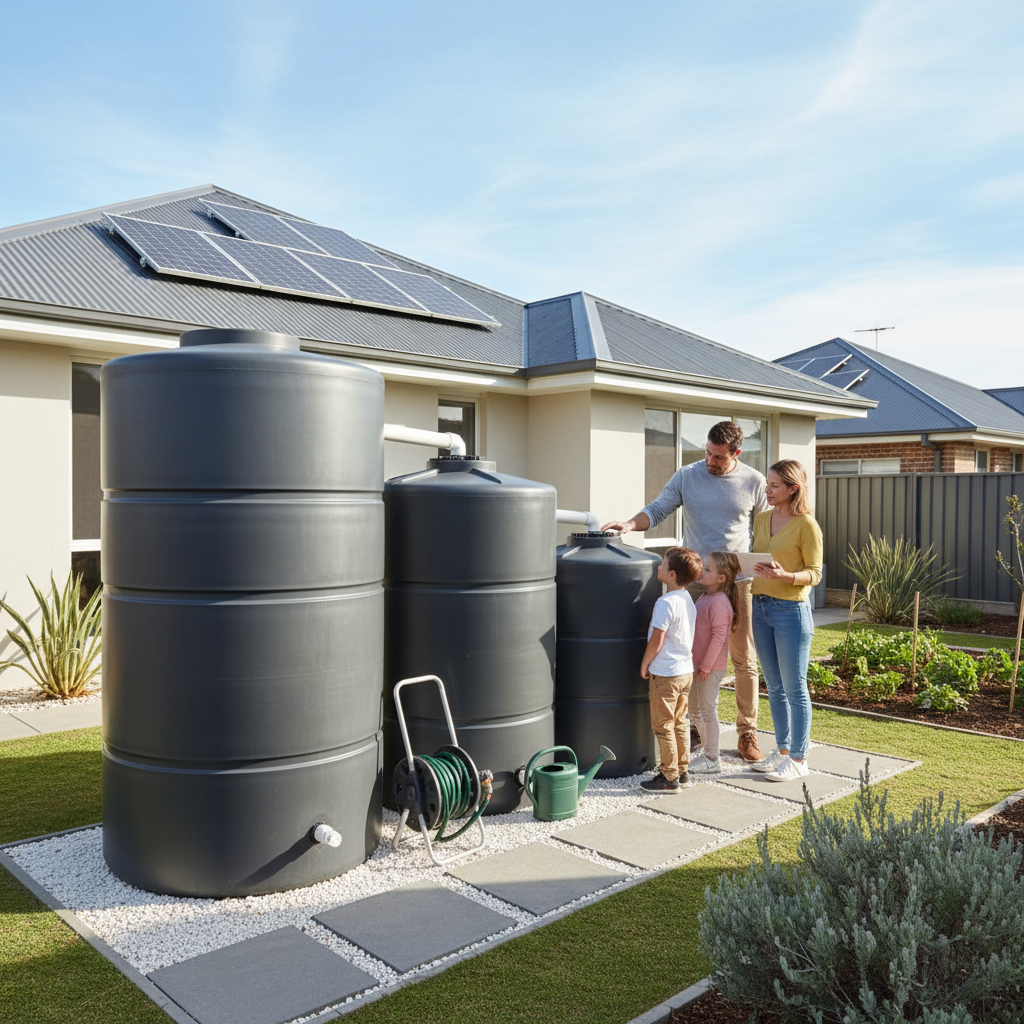
Household Water Tanks are not just functional; they can also enhance the aesthetic appeal of your property while providing a direct solution to water scarcity concerns. With numerous options available on the market, potential buyers need to assess their specific needs, such as capacity, material, and installation requirements. By equipping themselves with the right knowledge and guidance, homeowners can make informed decisions that align with their water conservation goals and budget, paving the way for a sustainable future. As we delve deeper into this guide, we will outline essential tips and factors to consider when choosing the best Household Water Tanks for your home, ensuring that your investment serves you well for years to come.
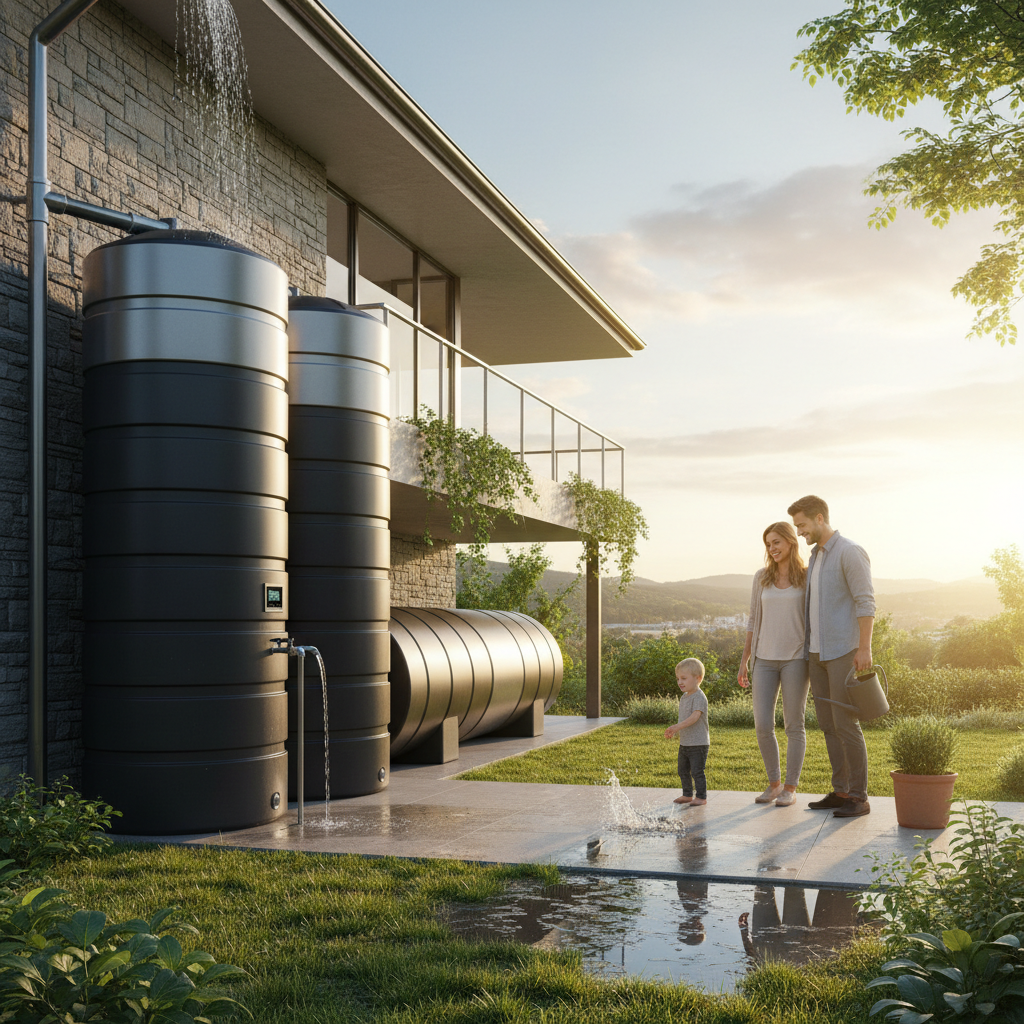
Understanding the Importance of Water Storage Capacity for Your Household Needs
When selecting the right household water tank, understanding your water storage capacity needs is crucial. Every home has unique requirements based on factors such as the number of residents, water usage habits, and the local climate. For instance, a family of four might require a larger tank to accommodate daily needs, especially in areas where water scarcity is a concern. Assessing your household’s average water consumption will help you determine the ideal size, ensuring you have sufficient supply for everything from cooking and cleaning to irrigation.
Moreover, considering future growth is essential in your decision-making process. If you anticipate an increase in family size or plan to install water-intensive appliances, it might be wise to choose a tank that offers additional capacity. Furthermore, water tanks come in various designs and materials that influence overall storage capability and efficiency. Investing in a tank that not only meets your current demands but also allows for potential expansion will provide long-term benefits, ensuring your household remains well-equipped to handle its water needs amidst changing circumstances.
Evaluating Different Materials: Plastic vs. Steel Water Tanks for Durability
When selecting a household water tank, durability is a primary consideration, with two prominent materials—plastic and steel—each offering distinct advantages. Plastic water tanks are often favored for their lightweight nature, resistance to corrosion, and lower upfront costs. They are easy to transport and install, making them an excellent choice for residential settings. However, while they can withstand various weather conditions, their susceptibility to ultraviolet (UV) rays may weaken them over time, necessitating careful placement to avoid direct sunlight exposure.
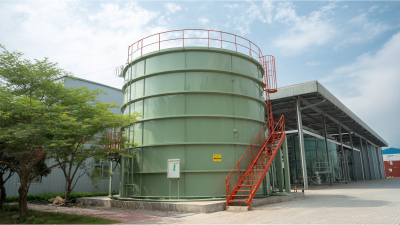
On the other hand, steel water tanks excel in long-term durability and structural integrity. These tanks are built to withstand extreme temperatures and heavy impacts, making them ideal for harsher environments. Steel's inherently robust nature means these tanks are less likely to suffer from punctures or dents compared to their plastic counterparts. However, they require regular maintenance to prevent rust formation, especially if exposed to moisture. Ultimately, the choice between plastic and steel water tanks will hinge on the specific needs of your household, environmental factors, and maintenance willingness, ensuring that you invest wisely in a suitable solution for water storage.
2025 Guide: How to Choose the Best Household Water Tanks for Your Home
| Material |
Durability (Years) |
Weight (kg) |
Cost ($) |
Corrosion Resistance |
Maintenance |
| Plastic |
15-20 |
30-60 |
500-1200 |
Highly resistant |
Low |
| Steel |
25-40 |
150-300 |
800-2500 |
Moderate to low |
High |
How to Assess Local Water Quality and Its Impact on Tank Selection
When selecting the ideal household water tank, understanding local water quality is paramount. The quality of your water significantly influences the type of tank you should consider. For instance, if your water source is highly acidic or contains heavy minerals, opting for a tank made from materials resistant to corrosion, such as polyethylene or stainless steel, is advisable. Regular testing of your water quality can help identify specific contaminants and adjust your tank choice accordingly.
**Tips:**
1. Conduct a water quality test at least once a year to monitor pH levels, presence of heavy metals, and biological contaminants.
2. Consult with local experts or your water provider to understand the common water issues in your area and seek recommendations on suitable tank outcomes.
Moreover, be mindful of how water quality affects storage. For areas with hard water, consider tanks with built-in filtration systems to minimize mineral buildup and prolong the lifespan of the tank. Investing in additional filtration or treatment options can enhance water quality, making it safer for daily use. Choosing the right tank that aligns with your water's characteristics will ensure both efficiency and longevity in your home water system.
Exploring Advanced Features: Filtration Systems and Smart Technology in Water Tanks
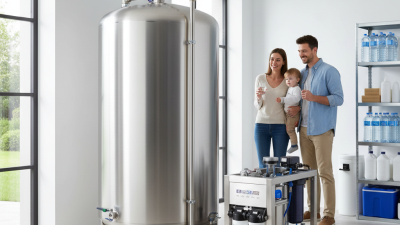
As households increasingly prioritize clean and safe drinking water, advanced features such as filtration systems and smart technology have become essential in selecting the right water tanks. Modern filtration systems utilize innovative techniques to ensure that water is not only purified effectively but also free from harmful contaminants. For instance, systems equipped with ultraviolet (UV) light and advanced filtration membranes can significantly enhance water quality, addressing the growing concerns over water pollution and health risks.
Furthermore, the integration of smart technology in water tanks is revolutionizing the way homeowners manage their water supply. Smart sensors can monitor water quality in real-time, providing alerts for any changes that could indicate contamination. This functionality empowers users to take immediate action, ensuring their family’s health and safety. With the market trends indicating a shift towards more technologically advanced solutions, consumers are encouraged to explore options that combine reliability with innovative features, positioning themselves at the forefront of modern water management systems for 2025 and beyond.
2025 Household Water Tanks Feature Comparison